

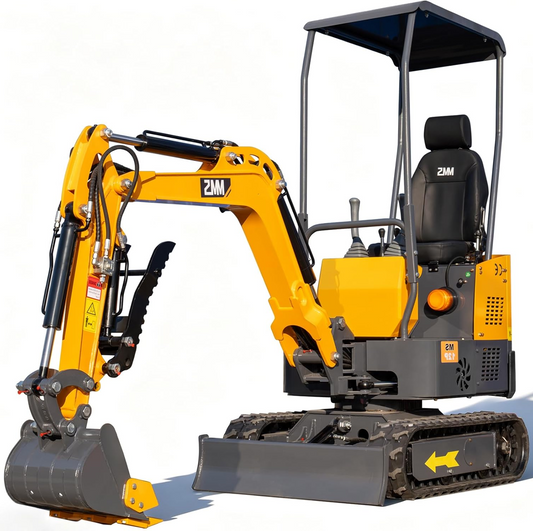

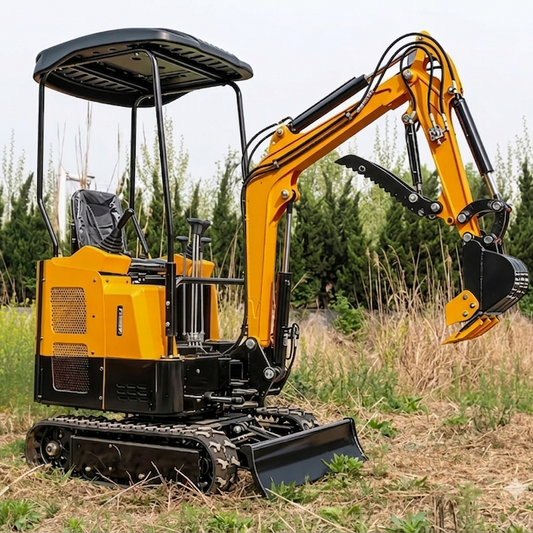


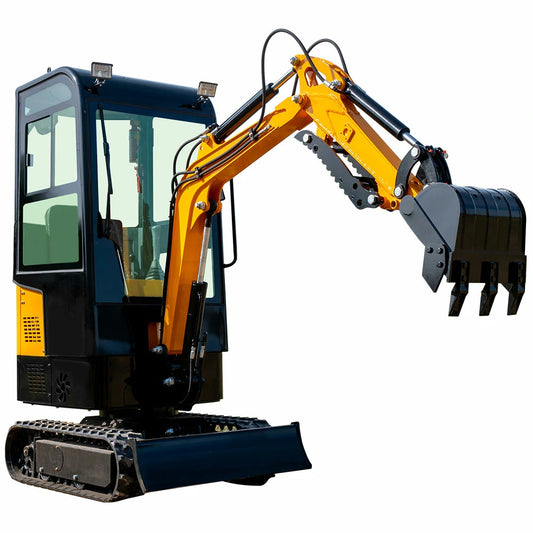
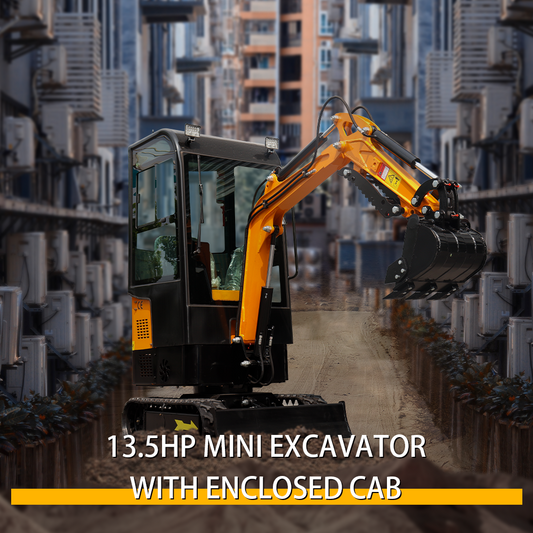

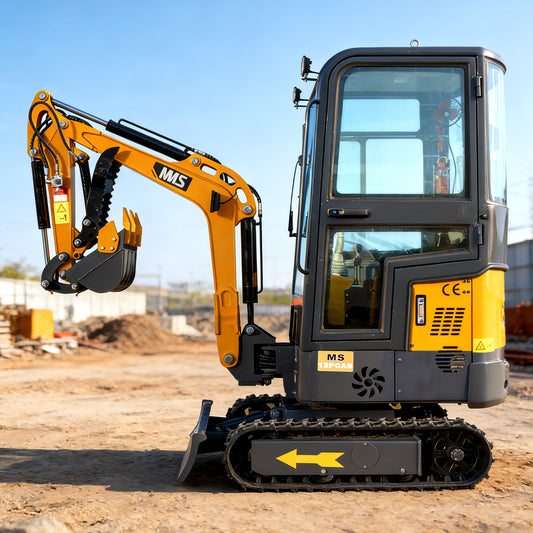

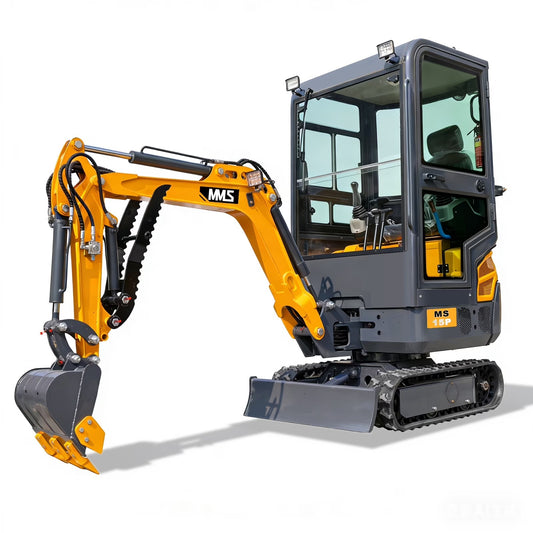


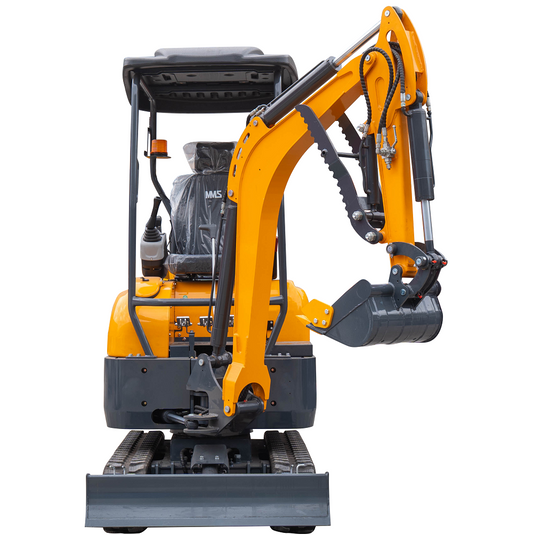


The MMS mini excavator range — sometimes called a compact excavator, mini digger, or track hoe — runs from 1-ton compact diggers to 2-ton machines built around Kubota diesel power. Every model tracks under about 3 feet wide, so they fit through gates, down basement stairs, and into backyards where a full-size excavator cannot go. This collection gathers the full lineup so you can match tonnage, engine, and reach to the job instead of settling for one size.
If you are still deciding, our mini excavator guide and the buying factors walk through size, engine, and reach so you can shortlist before you read the models.
What a Mini Excavator Is For
These machines are not just for contractors. Homeowners use them for fence posts, French drains, and tree removal; landscapers for grading and planting; and rental operators for utility and septic work. Our rundown of mini excavator uses lists the jobs a 1-to-2-ton machine handles so you can match the model to the work.
Pick the Right Tonnage
Tonnage sets the limit on dig depth, lift, and trailer weight; our weight guide shows what each class adds to your tow. Most 1-to-2-ton machines haul behind a standard mini excavator trailer rated near 3,500 lb, so check your tow vehicle before you buy. Move up a class only when the smaller machine cannot reach the depth or stability the work needs. For the numbers behind each size, our key specifications explained post breaks down the 1-ton, 1.5-ton, and 2-ton classes.
1-Ton Mini Excavators: Lightest, Tightest Access
The MS10H carries a 13.5 HP gasoline engine and a thumb clip at 2,204 lb operating weight, with about 5.7 ft of dig depth. It is the model for fence-post holes, stump removal, and trenching in spaces a wheelbarrow barely fits. A cab version is available in the 1-ton mini excavators for cold-weather work.
1.5-Ton Mini Excavators: The Common Middle Ground
The MS15 brings 13.5 HP and roughly 6 ft of dig depth in a body that still slips through a 36-inch gate. The MS15PRO adds 360-degree house rotation so you can offset-dig without repositioning the tracks. For the full sub-collection, see the 1.5-ton mini excavators.
2-Ton Mini Excavators: More Reach, Diesel Torque
The MS20 and MS20PRO step up to Kubota diesel: the MS20 uses the D722, the MS20PRO the D902 at 25 HP. Both dig to about 6.8 ft and weigh 4,409 lb. The MS20PRO adds retractable tracks, a side swing boom, and a hydraulic thumb. These are the models for drainage runs, footings, and septic work where depth and all-day runtime matter.
Gas or Diesel: Match the Engine to the Job
Gas models (MS10H, MS12P, MS15, MS15PRO) cost less up front and run fine for weekend and seasonal use. Diesel models (MS20, MS20PRO) burn less fuel under load, hold torque in clay and frost, and last longer in daily service. Our diesel vs gas comparison lays out the trade-offs by use, and the Kubota diesel engine lifespan post sets the hours you can expect from the engines.
Features That Change How the Job Goes
A side swing boom (the MS12P, MS15PRO, MS20PRO) lets the arm offset past the tracks to dig against a wall or fence. A hydraulic thumb (MS10H clip, MS12P, MS15PRO, MS20, MS20PRO) grabs pipe, rock, and brush instead of just scooping. Retractable tracks on the MS20PRO narrow the machine for transport and widen it for stability. For the side swing boom explainer shows when a side swing pays off on the boom of a mini excavator, and our thumb vs grapple comparison helps you pick between a thumb and a grapple.
Add the Right Attachment
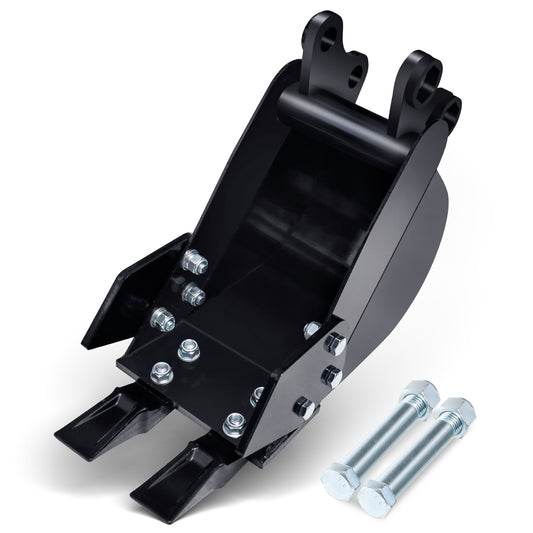
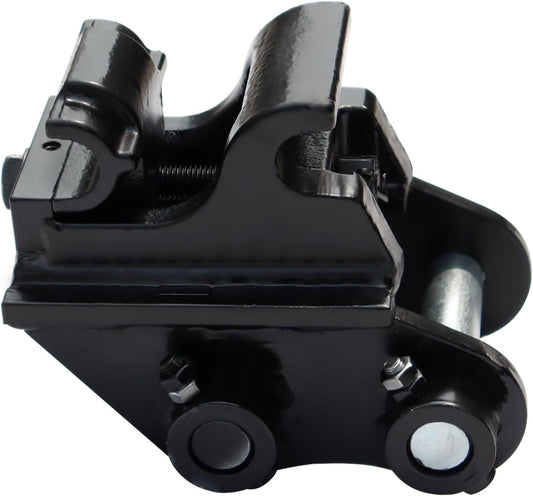
Buckets, rippers, rakes, and augers turn one machine into several. The excavator attachments collection lists thumb clips, narrow and sand buckets, a tilting bucket, a 4-in-1 bucket, a backhoe rake, and a mechanical quick hitch. Most use a 25 mm (0.98 in) pin so they swap fast between models in this collection. A mini excavator plate compactor and trench roller finish the backfill once you have dug it, and our guide to the right mini excavator bucket walks through bucket width and teeth for different soils.
Pair With Other Compact Equipment
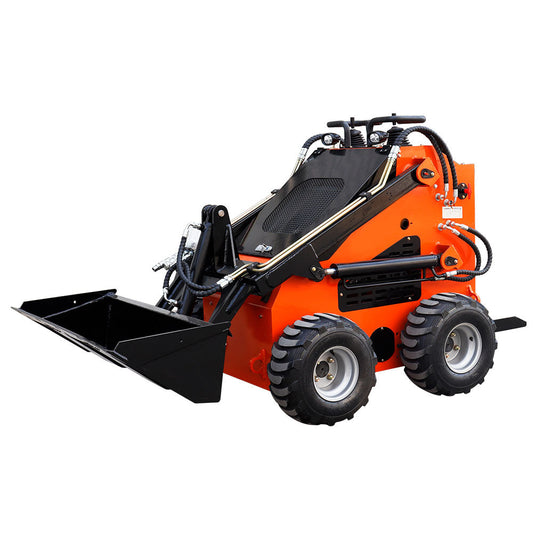
For moving material and finish work, the mini skid steer loader (also used as a skid steer excavator for grading and augering) handles grading, the mini dumper hauls spoil, and the road roller compacts backfill. Running a small fleet from one supplier keeps attachments and support in one place.
Keep It Running
Compact digging is dusty and wet, so maintenance matters. Our operation and maintenance guide covers daily checks, and the hydraulic fluid guide walks through top-ups. For diesel owners, the Kubota lifespan post sets realistic service expectations.
Mini Excavator Model Comparison
| Model | Class | Operating weight | Max dig depth | Engine | Standout feature |
|---|---|---|---|---|---|
| MS10H | 1 ton | 2,204 lb | 5.7 ft | 13.5 HP gas | Thumb clip |
| MS12P | 1.2 ton | ≈2,645 lb | 64.96 in (5.4 ft) | 13.5 HP gas | Side swing boom, hydraulic thumb |
| MS15 | 1.5 ton | 3,307 lb | 72.83 in (6.1 ft) | 13.5 HP gas | Gate-friendly width |
| MS15PRO | 1.5 ton | 3,307 lb | 1710 mm (5.6 ft) | 13.5 HP gas | 360° house rotation |
| MS20 | 2 ton | 4,409 lb | 2060 mm (6.8 ft) | Kubota D722 diesel | Swing boom + thumb |
| MS20PRO | 2 ton | 4,409 lb | 2060 mm (6.8 ft) | Kubota D902 diesel (25 HP) | Retractable tracks, side swing, thumb |
Pick by Job
| Job | Recommended model | Why |
|---|---|---|
| Fence posts, small trenches, stump removal | MS10H (1 ton) | Lightest, fits the tightest access |
| French drains, tree removal, landscaping | MS15 / MS15PRO (1.5 ton) | More dig depth, still gate-friendly |
| Drainage runs, footings, septic, all-day use | MS20 / MS20PRO (2 ton) | 6.8 ft dig, diesel runtime |
| Grading, augering, moving spoil | mini skid steer loader | Pairs for finish and material work |
| Compacting backfill after trenching | plate compactor attachment | One-pass compaction behind the dig |
Dig and Operate Safely
A mini excavator is still heavy equipment. Before you dig, check the OSHA trenching and excavation guidance for cave-in protection, and review NIOSH construction safety resources for operator training and trench safety. Call 811 (or your local one-call center) to mark underground utilities before any digging.
FAQ about Mini Excavators
What size mini excavator do I need for residential yard work?
For most yards, a 1-ton or 1.5-ton small excavator is enough. A 1-ton machine clears posts and small trenches; a 1.5-ton model adds dig depth for French drains and tree removal. Choose a 2-ton model only when you need more than about 6.5 ft of reach or all-day diesel runtime.
Is a gas or diesel mini excavator better?
It depends on use. Gas is cheaper and fine for occasional work. Diesel is better for daily use, heavy soil, and longer engine life. See the engine comparison above for the trade-offs.
What can a 1-ton mini excavator dig?
A 1-ton machine like the MS10H reaches about 5.7 ft and handles post holes, shallow trenches, and small foundations. It will not match a 2-ton model's depth or lift, so size up for deeper drainage or footings.
Do mini excavators come with a thumb?
Yes. The MS10H ships with a thumb clip, and the MS12P, MS15PRO, MS20, and MS20PRO carry a hydraulic thumb. A thumb lets you hold pipe and rock instead of just scooping.
How deep can a 2-ton mini excavator dig?
The MS20 and MS20PRO dig to about 6.8 ft (2060 mm). That covers most residential drainage, footing, and utility trenches.