

A reflective vest will help you stand out and be more visible on the work site. A hard hat, durable boots and tinted safety glasses are essential PPE for all construction workers operating a heavy vehicle. While mini excavators can be used to clear a site and demolish some obstacles, it is best to avoid hazards when possible.
Mini excavators have become increasingly popular machines for construction, landscaping, and utility work due to their compact size and versatility. However, their small profile doesn't mean safety can be overlooked. Operating these machines requires proper training, awareness, and adherence to safety protocols to prevent accidents and injuries on the job site.
Before You Start the Engine
Safe operation begins well before you climb into the operator's seat. Taking time for pre-operation preparations can prevent most accidents and equipment damage.
Get Proper Training and Certification
Never attempt to operate heavy equipment like mini excavators without the necessary training. Besides increasing the risk of an accident, you could be committing a potentially costly OSHA violation. For both new and experienced operators, it's important to receive proper training covering the basics of machine operation, safety protocols, and emergency procedures. Even if you've operated similar equipment before, each machine has its own characteristics and control layout.
Know Your Machine Inside Out
Even if you have experience with mini excavators, it's important to remember that no two machines will be exactly the same. Different makes and models can differ more than you expect regarding control layout, power and other attributes. Spend time with the operator's manual and familiarize yourself with the specific controls, gauges, and safety features of your equipment. Test the controls before starting work - find where all the pedals, levers and buttons are located. If using attachments, verify they're functioning and properly secured.
Inspect Your Work Environment
Survey the work area thoroughly before operation. Check the terrain to determine if there are any slopes or uneven spots that could pose a safety risk. Keep the work area clear of obstacles, debris, and other potential hazards. Call the area's utility services to have the job site marked for underground lines or structures - hitting a buried utility line can result in serious injury or death.
Maximize Visibility
Maintaining maximum visibility is a key part of using a mini excavator safely. Your mirrors need to be aligned so you can clearly see everything around you. Clean windows and your windscreen so your vision is unobscured. Mark the boundaries of the excavation site to prevent unauthorized personnel from entering.
Personal Protective Equipment Requirements
Operators must always wear necessary PPE when operating a mini excavator. This includes:
- Hard hat to guard against falling debris
- Safety glasses or tinted safety glasses to protect eyes from dust and flying particles
- High-visibility vest or reflective vest to make yourself more visible on the work site
- Steel-toed boots or durable work boots to protect your feet
- Work gloves for increased protection and grip
- Hearing protection when working in noisy environments
Never compromise on PPE - these items provide vital protection against potential hazards and minimize the risk of injuries in the event of an accident.
Operating Safety Guidelines
Once you're ready to operate, following these essential safety tips will help create a safer work environment:
Secure Yourself Properly
Always wear the seat belt, if equipped, to keep you safe and comfortable while driving. If the mini excavator is equipped with a foldable rollover protective structure (ROPS), do not fasten the seat belt when the ROPS is in the down position.
Position Blade Extensions Correctly
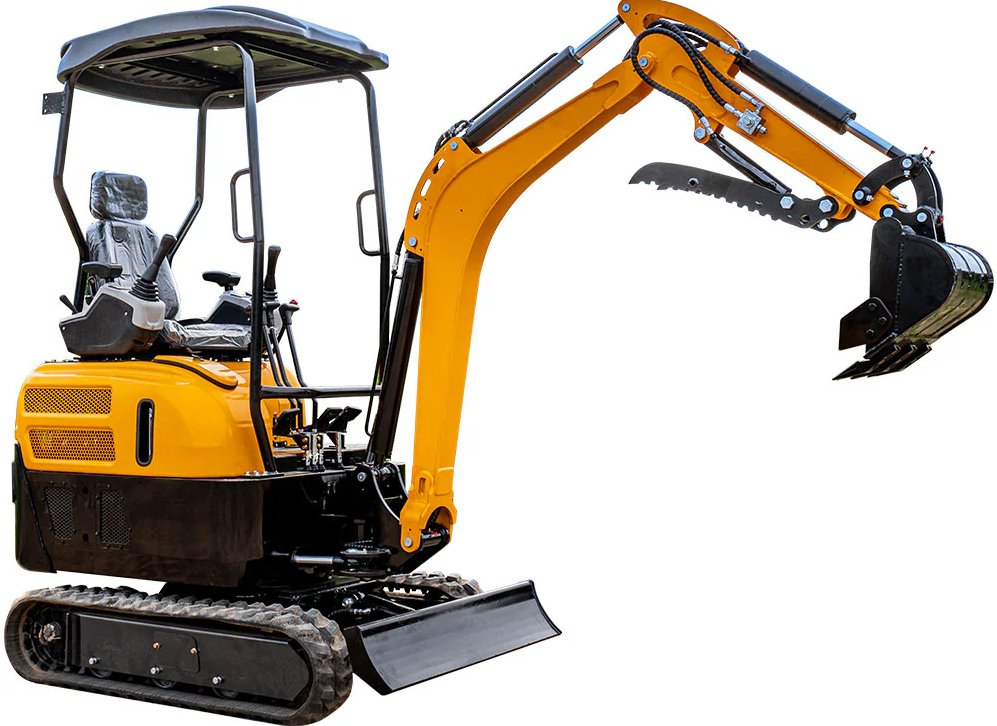
Be sure the blade extensions are appropriately positioned based on the mini excavator's weight. For mini excavators lighter than three tons, the blade should be positioned in the back for stability. For heavier mini excavators that weigh more than eight tons, the blade should be in the front. With smaller excavators, if you try to dig with the blade positioned in the front, the cab will tip backward as the bucket digs into the soil.
Keep the Bucket Low
While transporting loads, it's best to keep your bucket close to the ground to provide better stability and make it easier to carry loads. This positioning also prevents debris from falling out of the bucket and onto the cab. Keeping the bucket close to the ground while transporting loads for stability and debris containment is critical.
Control Your Speed
Slow down while driving over rough terrain and through busier areas of your work site. It is important to always be cautious during operation - drive slow in rough terrain, busy work areas, and when carrying heavy loads. Maintain a safe speed at all times and keep an eye on your speed while carrying a heavy load. If you must drive on or across a road, have an escort vehicle to lead the way since mini excavators are not made to drive in traffic.
Navigate Slopes with Extra Caution
Working on a site with lots of hills and varying levels of elevation can be tricky. Jobsites can have a lot of hills, making it more difficult to maneuver your mini excavator. Be sure to avoid driving diagonally on hills and slopes. It is important to avoid diagonal driving on hills - make small steering adjustments when changing directions on sloped surfaces. Travel up and down slopes vertically instead of diagonally to reduce the risk of sliding or tipping. It's best to avoid driving an excavator at a slope greater than 70% because of engine lubrication requirements.
Never Carry Passengers
Never permit riders in the bucket, cab, or anywhere else on the machine. Excavators only have one seat, which is meant for the operator. Never attempt to operate the excavator unless you are sitting in the seat and in full control.
Use Camera Systems Effectively
Many mini excavators are equipped with backup and side-view cameras for better safety. The camera will help you drive and can be used for wide-angle shots or close-up views of what's behind you. These cameras are especially helpful when working on busy worksites with many hazards, obstacles and people. However, cameras should not be seen as more meaningful than the operator being aware and in control.
Prevent Cave-ins During Excavation
When using the excavator for trenching, make sure the machine is level by placing dirt underneath the tracks. Being level will make the trench vertical and will help to avoid cave-ins. For better stability, work with the propel motors to the rear of the machine. Dump spoil piles as far away from the excavation as possible to avoid cave-ins. When doing excavation jobs on slopes, level the machine by digging a shelf or bench cut.
Avoid Dangerous Practices
- Never swing the bucket or cab when carrying heavy loads
- Don't strike the bucket on the ground when trying to remove leftover dirt and debris
- Never dig underneath the excavator
- Don't exceed bucket load capacity
- When backfilling a cave-in, the excavator's tracks should be at a 90-degree angle to the excavation
Safe Shutdown and Exit Procedures
Operating a mini excavator safely also extends to what you do when you've finished the job.
Proper Parking Protocol
Before turning off the machine, rest the bucket on the ground. A raised bucket could fall on a worker or pedestrian and cause a severe injury. Park on a level surface to prevent rolling. Run the machine at half throttle for a few minutes before shutting down to cool the engine and turbocharger.
Lock and Secure
You greatly decrease the risk of theft by locking the doors and removing your keys from an unattended vehicle. A key left in the ignition is a temptation to passersby and can lead to theft. Always lock the cab and take the key with you. You should also lock the safety switch to keep the machine from inadvertently moving or shifting.
Exit Safely
Never jump off a mini excavator. The proper way to dismount is to use the track, grab handles or skid-resistant surfaces. These are designed to keep you from falling or skidding while getting in or out of the machine. Use the grab-handles, track or skid-resistant surfaces to assist you and keep you from slipping and falling.
Common Hazards to Avoid
Being aware of potential hazards can help you prevent accidents before they happen:
Machine Stability Issues
Incorrectly positioned blades can destabilize machines, increasing their chances of tipping. Always ensure that the blade is positioned according to the weight of the machine and the site conditions. Overloading a mini excavator adversely affects stability and control.
Slope-Related Accidents
When operating an excavator on slopes, avoid a common oversight that can lead to accidents. The machine's body tends to tilt forward as the excavator moves downhill or when towing. Some operators instinctively use their left hand to push against the windshield or door frame while using their right hand to control the excavator's movement. However, if the door is open and not locked, it can quickly close due to gravity, potentially trapping the hand.
Limited Visibility
Always be aware of blind spots around the excavator. Even with cameras and mirrors, there are areas you cannot see. Have a spotter on the ground when working in congested areas or around other workers.
Equipment Maintenance for Safety
Routine maintenance keeps the mini excavator in top operational condition and prevents safety issues:
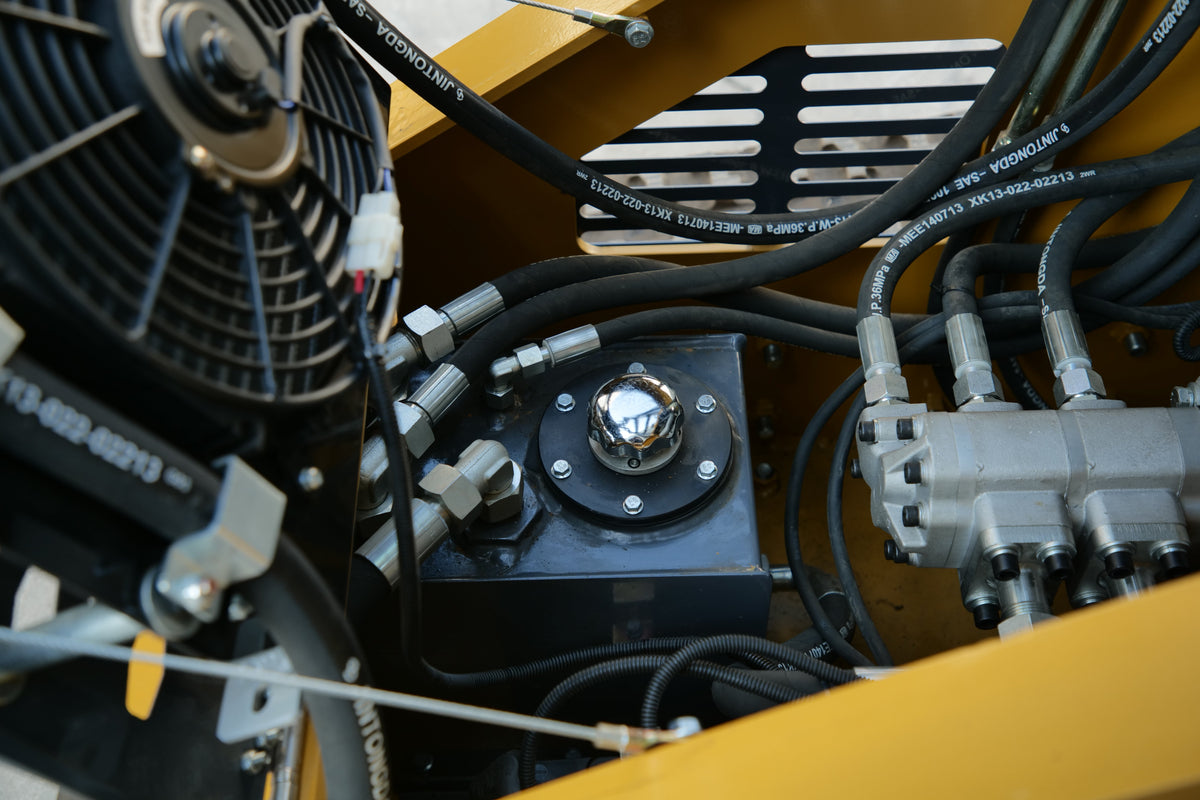
- Hydraulic System: Inspect for leaks or wear regularly
- Tracks or Tires: Check for damage or excessive wear
- Fluid Levels: Verify hydraulic fluid, engine oil, coolant, and fuel levels before each use
- Safety Features: Test safety alarms, warning lights, and backup signals
- Attachments: Ensure all work tools are properly connected and functioning
Following the manufacturer's maintenance schedule will make the machine last longer and reduce unexpected breakdowns that could create safety hazards.
Understanding Your Mini Excavator's Safety Features
Modern mini excavators come with several built-in safety features designed to protect operators:
- Safety Interlocks: Prevents machine movements when not in use or during operator exit
- Backup Cameras: Improves visibility and reduces collision accidents
- Stability Control: Adjusts the machine's balance automatically to prevent tipping
- ROPS (Rollover Protective Structure): Protects the operator in case of a rollover
Understanding and properly using these features is crucial for safe operation.
Final Thoughts
Safety should always be the top priority when operating a mini excavator. By following these precautions - from pre-operation inspections to proper shutdown procedures - you can significantly reduce the risk of accidents and create a safer working environment. Whether you're a seasoned operator or just starting out, never take shortcuts when it comes to safety protocols.
Remember that proper training, regular equipment maintenance, appropriate PPE, and constant awareness of your surroundings are the keys to safe mini excavator operation. If you're considering purchasing a mini excavator for your construction or landscaping business, make sure safety training is part of your implementation plan.
Stay safe out there, and always operate with caution and care!



Leave a comment
This site is protected by hCaptcha and the hCaptcha Privacy Policy and Terms of Service apply.