

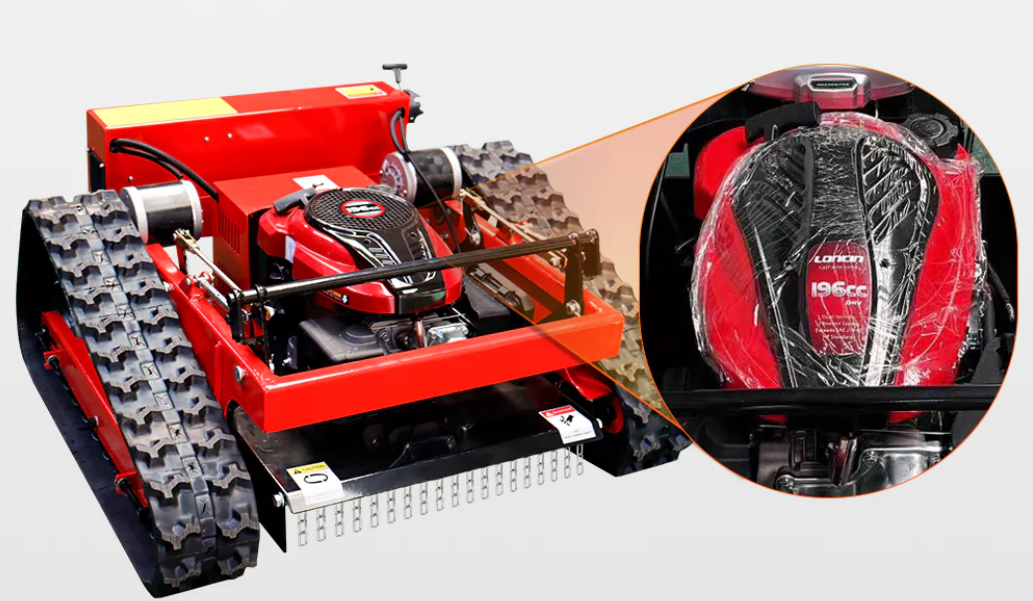
Direct answer: For most lawn mower, using regular 87 octane unleaded gasoline is the best choice, but when it comes to, which fuel is “best”, this depends on your engine type, and also the environment where you store your machine.
Why Fuel Choice Matters More Than You Think
Many people often are not particularly care about the oil used for lawn mowers, not very care about it, as long as it can be used, no problem is fine.But for lawn mowers, they are equipped with small engines, using carburetor fuel supply, they are more sensitive to the fuel than other large fuel machines, because the jets on the carburetor are very fine, only a little bit of sediment, it can easily clog the carburetor, causing later maintenance costs,to avoid this kind of thing happening, it is recommended to take the fuel of lawn mowers seriously.
Step 1: Know Your Engine Type First
Before considering what gasoline to choose, you need to be clear about what type of engine your lawn mower uses, so that you can choose the best fuel in a more targeted way.
4-Stroke Engines (Most Common)
The overwhelming majority of modern walk-behind push mowers and virtually all riding mowers use 4-stroke engines. These have two separate fill ports: one for gasoline and one for engine oil. You never mix them.
- Fuel: Pure unleaded gasoline (no oil mixed in)
2-Stroke Engines (Less Common, Often Handheld)
Some older walk-behind mowers and many handheld tools like string trimmers and leaf blowers use 2-stroke engines. These have a single fill cap and require a premixed fuel-and-oil blend.
- Fuel: Gasoline + 2-stroke oil, mixed at a specific ratio (commonly 50:1 or 40:1)
- How to identify: One fill cap with icons of both a fuel pump and an oil can, or the cap itself states the mix ratio
Mistakes that need to be avoided: do not pour pure gasoline mixed with oil into a two-stroke engine. Once this kind of thing happens, it means that your engine will be completely damaged.
The Octane Question: Regular vs. Premium Gas
This is a confusion for many people, but once you understand it, you will know it is very simple.
What Octane Actually Means
Octane rating measures a fuel's resistance to "knocking"-the premature ignition of fuel under compression. High-compression engines (like sports cars) need high-octane fuel to prevent knocking. Small mower engines run at low compression ratios, so they simply don't need it.
What the Experts and Manufacturers Recommend
Briggs & Stratton, Toro, Honda, Husqvarna, and virtually every other major manufacturer recommends 87-octane regular unleaded gasoline for their standard engines. Using premium (91–94 octane) gas in a low-compression mower engine will not make it run better, start faster, or last longer.
There are also exceptions: if the lawn mower you bought, in the user manual, it states that higher octane fuel is required, then please strictly follow it. Once there is such a requirement, it may mean that this lawn mower engine belongs to a high-performance type. Otherwise, please stick to 87 octane gasoline.
The Ethanol Problem: The Biggest Threat to Your Mower Engine
This problem, unless you are a professional, many buyers do not really pay attention to it, but this is also the root cause of many fuel-related engine damages.
What Is Ethanol and Why Is It in Gas?
Ethanol is a grain-based alcohol (usually made from corn) that is blended into gasoline to boost octane ratings and reduce emissions. In the United States, the most common blend you'll find at the pump is E10,10% ethanol, 90% gasoline.
Why Ethanol Hurts Small Engines
Ethanol causes multiple problems in small engines that it doesn't cause in modern car engines:
1. Moisture Absorption (Phase Separation) Ethanol is hygroscopic, it will actively absorb water vapor in the air, then combine the water from the water vapor with the ethanol, and after that precipitate out in the solution, finally settle at the bottom of the fuel tank in the form of a water, ethanol mixed layer.This is professionally called “phase separation”.
2. Corrosion and Gumming Ethanol is a solvent, it will corrode rubber gaskets, it can also dissolve the varnish coating inside the carburetor, thereby leaving sticky deposits, clogging tiny jets.
3. Faster Fuel Degradation under this condition, then your gasoline has already started to go bad. Many starting failures that appear after winter ends, are because of this reason.
4. The ethanol released during the combustion cycle of lawn mowers is, on average, higher than pure gasoline. Especially for the cooling system of small engines, continuous high temperature will accelerate the wear of internal components.
What Ethanol Levels Are Safe?
| Fuel Type | Ethanol Content | Safe for Lawn Mowers? |
|---|---|---|
| E0 (Ethanol-Free) | 0% | ✅ Best choice |
| E10 (Regular Pump Gas) | 10% | ✅ Acceptable, use fresh |
| E15 | 15% | ❌ NOT approved — voids warranty |
| E20 / E25 | 20–25% | ❌ Do not use |
| E85 (Flex Fuel) | Up to 85% | ❌ Absolutely do not use |
Important note about E15: The EPA has approved E15 for use in model year 2001 and newer passenger vehicles, but it remains unapproved for small engines. It should be noted that Briggs & Stratton, Toro, Husqvarna, and Honda all clearly state that using E15 may void the warranty and may cause damage to the engine.
Ethanol-Free Gas: Is It Worth It?
The answer depends on your specific circumstances.
The Case For Ethanol-Free Gas
- Longer shelf life: Ethanol-free gas remains stable for 1–3 months without a stabilizer. With a stabilizer, up to 24 months.
- No phase separation risk: Without ethanol, moisture has nothing to bond with in the fuel.
- Cleaner carburetor: Less gumming and varnish buildup means fewer clogged jets and easier cold starts.
- Better for seasonal storage: If your mower sits unused through winter, ethanol-free fuel dramatically reduces spring starting issues.
- Particularly beneficial for 2-stroke engines: The carburetor jets in 2-stroke engines are even smaller and more susceptible to ethanol-related deposits.
The Case Against (Cost vs. Benefit)
Ethanol-free gasoline (pure gasoline) is usually $0.30 to $0.70 more per gallon than E10 gasoline. For an average machine owner, the extra annual cost is only $5 to $10.
Pre-mixed canned fuels (like TruFuel or VP Small Engine Fuel) are a different story. At $15–$20 per gallon, they are genuinely expensive,but they combine ethanol-free gasoline with a built-in stabilizer and are virtually guaranteed to be fresh.
Verdict:
- Mow weekly through the season? Fresh E10 from a busy gas station, with a stabilizer added before winter storage, is perfectly fine.
- Mow infrequently or store for months? Ethanol-free gas is the smarter long-term investment.
- Budget is no concern and you want maximum protection? A pre-mixed canned fuel like TruFuel gives you absolute peace of mind.
Where to Buy the Right Gas for Your Lawn Mower
Option 1: Regular Gas Station (E10)
When refueling, you need to pay attention to the label markings, whether it shows the ethanol content. If it does, and as long as you follow the “fuel freshness” principle, this kind of gasoline is fully suitable for daily use.
Tip: High-volume stations (busy locations near major roads) turn over their underground fuel tanks faster. Fresher fuel from a busy station is meaningfully better than sitting fuel from a slow rural station.
Option 2: Ethanol-Free Pump Gas
Not all stations carry it, but more do than most people realize. It's often labeled "Recreation Fuel," "Marine Gas," or "Non-Ethanol Premium." Common places to find it:
- Boat marinas-almost universally carry ethanol-free fuel to protect marine engines
- Small regional airports-aviation gasoline (avgas) is ethanol-free; however, note that 100LL avgas is leaded and not suitable for lawn mowers
- Small engine dealerships-many carry ethanol-free pump gas
- Rural co-ops and farm supply stores
- Use PureGas.org-a crowd-sourced directory to find ethanol-free stations near you by ZIP code
Option 3: Pre-Mixed Canned Fuel
Available at Home Depot, Lowe's, Amazon, and outdoor power equipment dealers. Brands to look for:
- TruFuel 4-Cycle (92 octane, ethanol-free, ~$17/gal)
- VP Small Engine Fuel 4-Cycle (94 octane, ethanol-free, ~$15–$16/gal)
- Husqvarna Pre-Mixed Fuel (for 2-cycle handhelds)
These are best used for 2-stroke equipment, rarely-used mowers, and end-of-season storage fill-ups rather than daily fueling.
Fuel Freshness
What you need to know is that gasoline has a shelf life. If it goes past its shelf life, it can easily cause engine failure.
- E10 (regular pump gas): Begins to degrade in as little as 30 days without a stabilizer
- Ethanol-free gas: Remains stable for 60–90 days without treatment; up to 6 months with a stabilizer
- Treated gas (with stabilizer added): Up to 24 months for both types
Gasoline that is past its shelf life will cause power loss, and it will also produce gum and varnish-like deposits, they will clog carburetor jets and fuel lines.
Practical Rule: The 30-Day Buy-Small Habit
Rather than filling a 5-gallon can and letting it sit in the garage, buy only what you'll use within 30 days. If you know you're heading into storage season, add a small-engine fuel stabilizer (like Briggs & Stratton Fuel Stabilizer or STA-BIL) to the tank and run the engine for 5–10 minutes to circulate it through the fuel system.
Fuel Comparison at a Glance
| Fuel Option | Octane | Ethanol | Best For |
|---|---|---|---|
| Regular E10 (pump) | 87 | 10% | Weekly mowing, active season |
| Mid-Grade E10 | 89 | 10% | High-compression engines per manual |
| Premium E10 | 91–94 | 10% | Usually unnecessary |
| Ethanol-Free Pump Gas | 87–91 | 0% | Seasonal storage, frequent use |
| Pre-Mixed Canned Fuel | 92–94 | 0% | 2-stroke tools, occasional use, storage |
Step-by-Step: How to Fuel Your Lawn Mower Correctly
For 4-Stroke Mowers (Most Walk-Behind and Riding Mowers)
- Check your owner's manual for the recommended octane rating (87 is standard for most)
- Confirm the ethanol content on the pump label — stay at E10 or below
- Use fresh fuel — don't use gas that's been sitting in the can for more than 30 days
- Fill to the "Full" mark on the tank — don't overfill
- Add fuel stabilizer if the mower will sit unused for more than 30 days
For 2-Stroke Mowers and Handheld Equipment
- Find the correct mix ratio in your owner's manual (commonly 50:1)
- Use a measuring container — don't eyeball it
- Pour the 2-stroke oil into the empty fuel can first, then add gasoline
- Shake gently to mix thoroughly
- Label the can with the date and ratio
- Use within 30 days — pre-mixed fuel degrades faster than straight gasoline
- Never put premixed fuel into a 4-stroke engine
What Happens If You Use the Wrong Fuel?
| Mistake | Consequence |
|---|---|
| E15 or higher ethanol | Carburetor damage, hard starts, possible warranty void |
| E85 (flex fuel) | Severe engine damage — do not use |
| Stale gas (30+ days old) | Gummed carburetor, hard starts, rough running |
| Oil mixed into 4-stroke tank | Engine damage, must drain immediately |
| Unmixed gas in 2-stroke | Engine seizure from lack of lubrication |
| Premium gas in standard engine | Wasted money, no performance benefit |
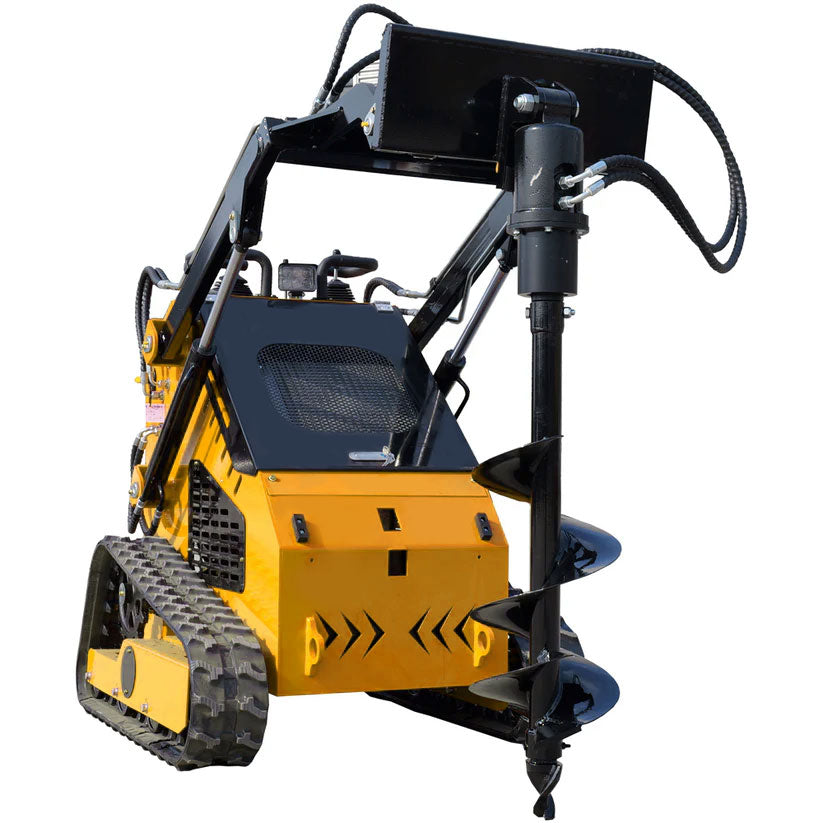
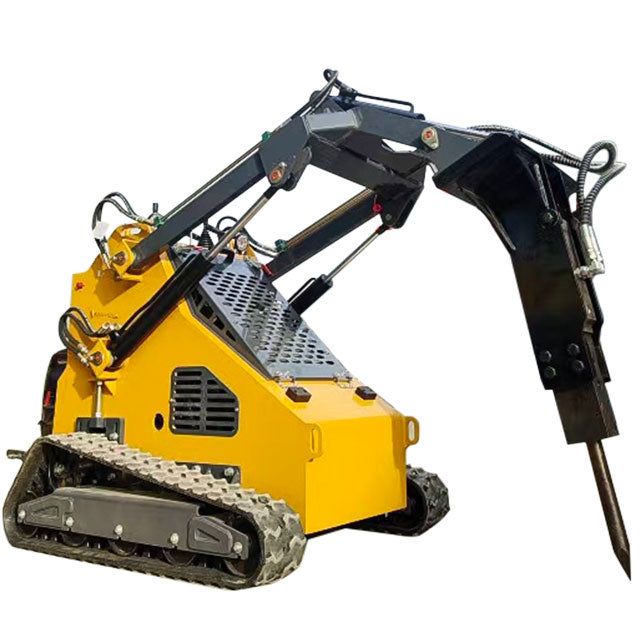
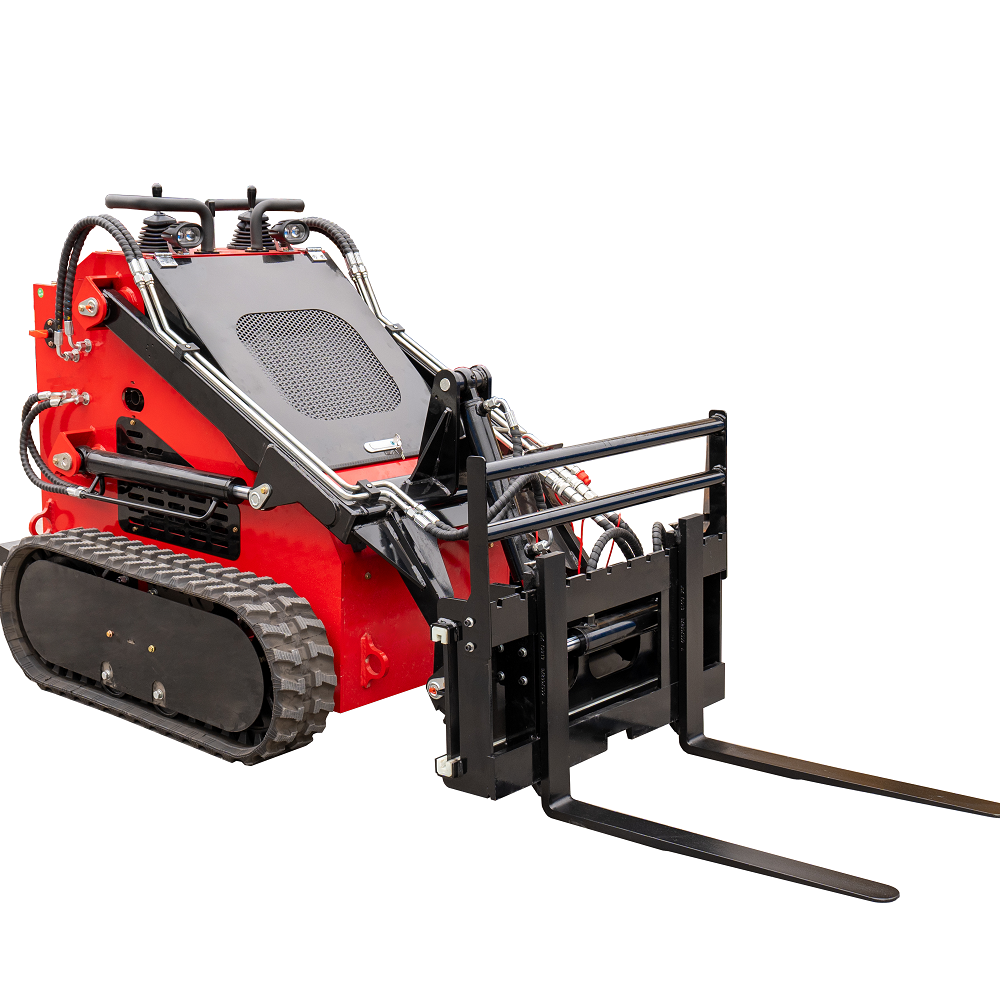
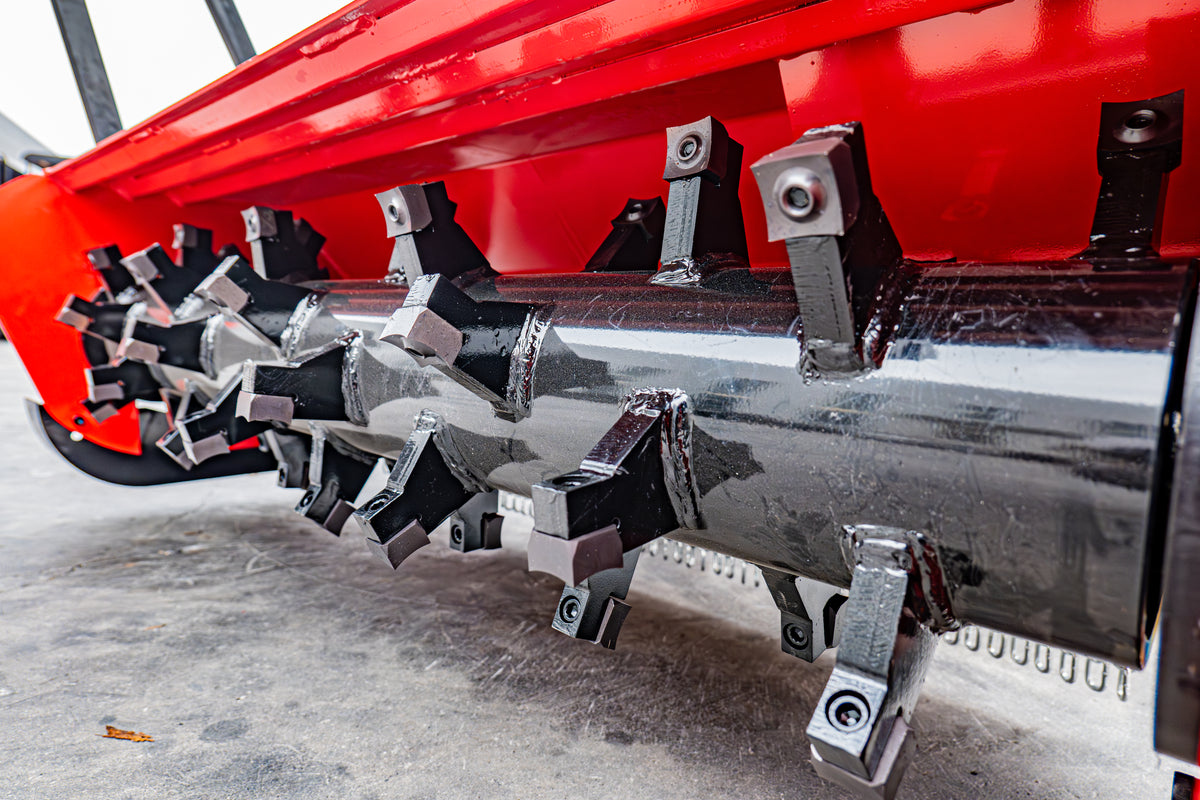
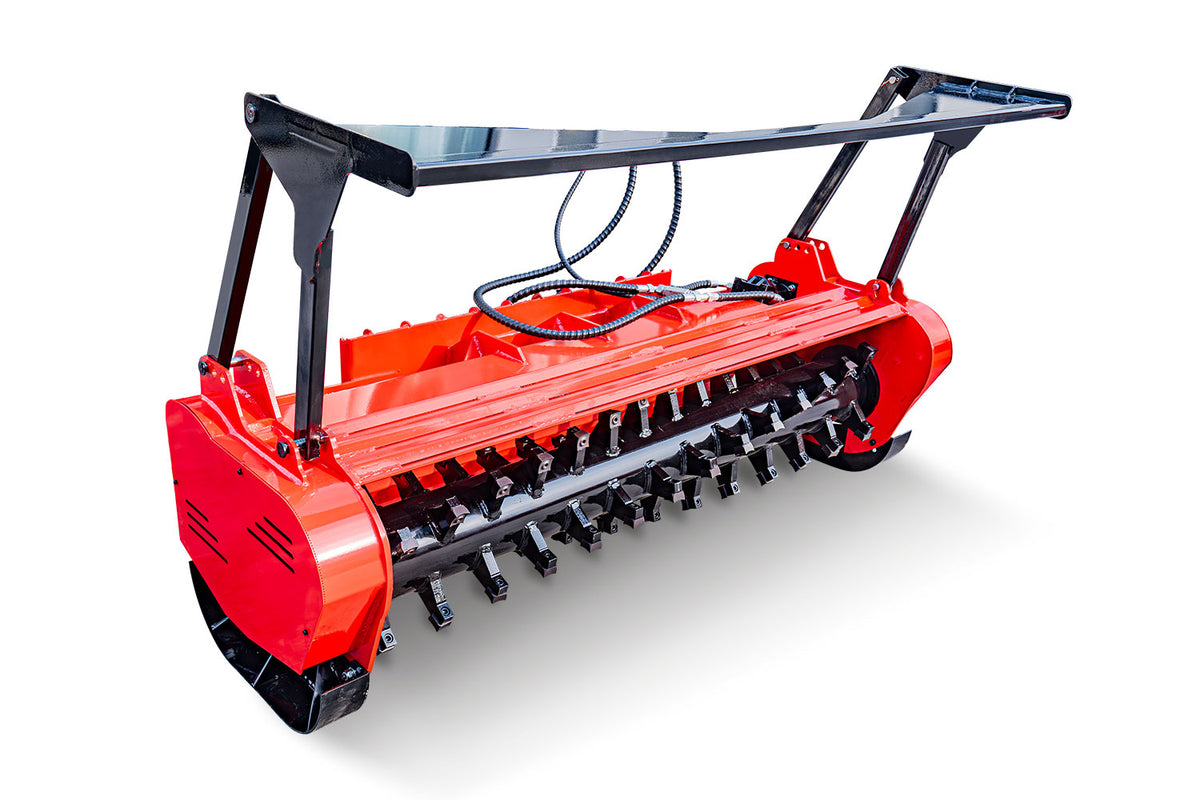
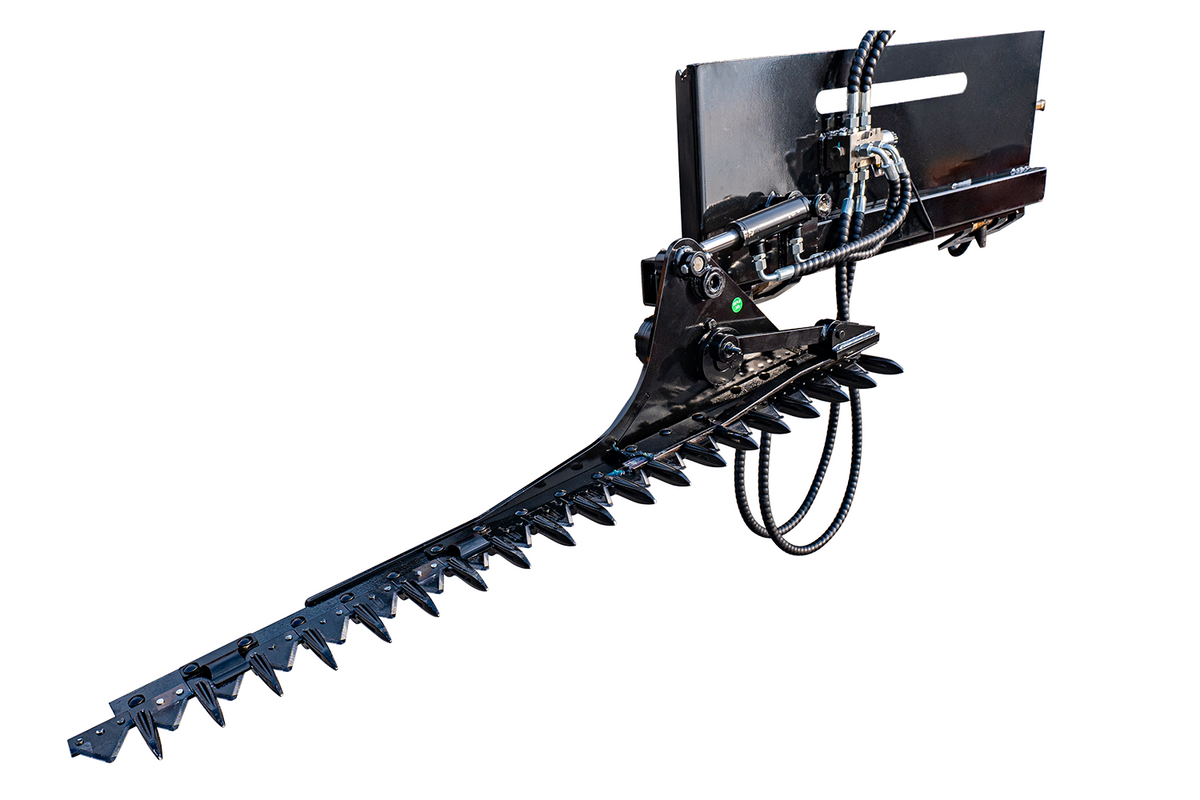
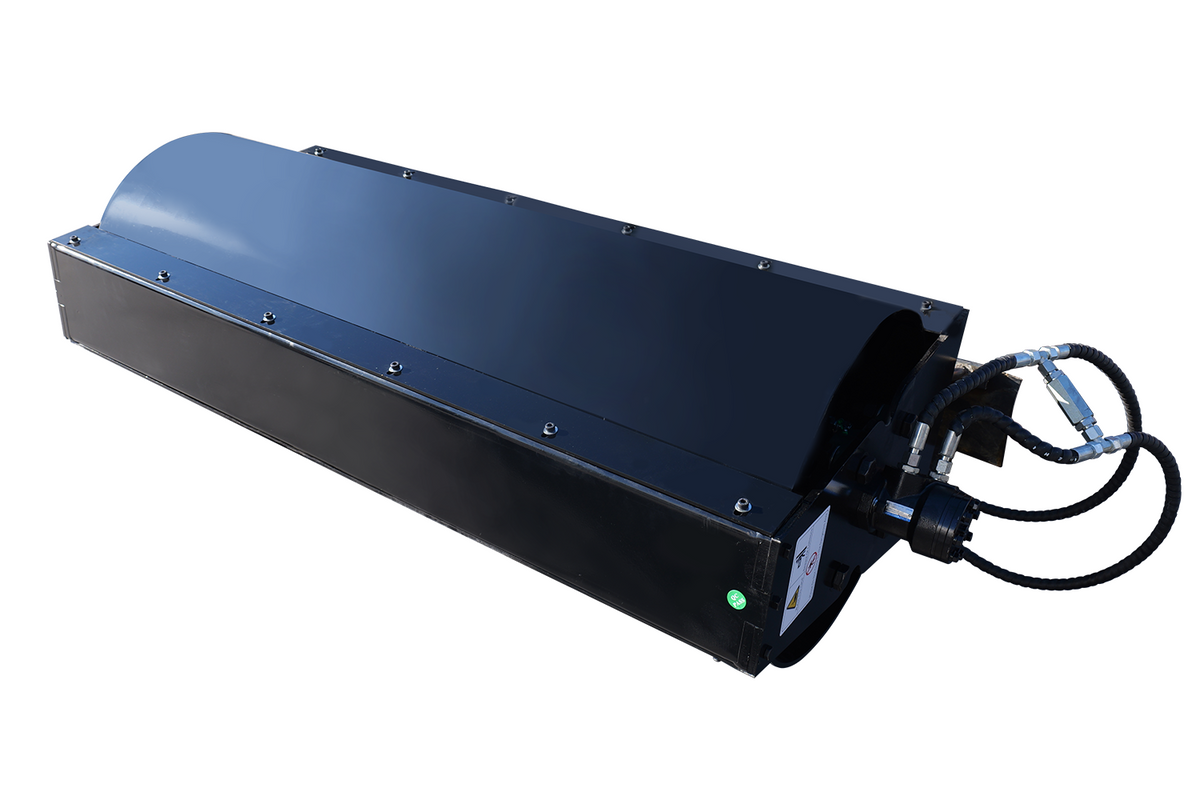
We recommend checking out the two lawnmowers we offer:
Frequently Asked Questions
Q: Do lawn mowers take regular gas? Yes, most gasoline lawn mowers use standard 87 octane unleaded gasoline.
Q: Is it OK to use E10 gas in a lawn mower? Answer: Yes. Almost all manufacturers on the market approve the use of E10 gasoline for lawn mowers. Do not use E15 or higher blends.
Q: Can I use premium gas in my lawn mower? It is okay, but it is not necessary, unless it is required in the user manual. Even high-quality gasoline will not bring any performance improvement.
Q: Is ethanol-free gas better for lawn mowers? Yes, ethanol-free gasoline is more friendly to lawn mower engines, especially for equipment that is used after long intervals. But for most users, fresh E10 gasoline with added fuel stabilizer is already a very good choice.
Q: How long can I store gasoline for my lawn mower? Untreated E10 pump gas should be used within 30 days. With a fuel stabilizer added, it can last up to 24 months. Ethanol-free gas is stable for 60–90 days without treatment and up to 6 months or more with stabilizer.
Q: Can I use gas station gas in my lawn mower? Yes, it is okay, but we recommend that you use fresh 87 octane gasoline, and the ethanol content should not exceed 10%.
Q: My lawn mower won't start after winter,is it the gas? Very likely yes. When a lawn mower is left unused for a long time, the deteriorated ethanol-blended fuel inside its carburetor can cause a no-start condition.
The Bottom Line
For most machine owners, we recommend using fresh regular 87 octane unleaded gasoline, and the ethanol content should not exceed 10% (that is E10 gasoline). But if you need to store the machine for a long time, such as more than 30 days, we also recommend that you add a fuel stabilizer before storage.




Leave a comment
This site is protected by hCaptcha and the hCaptcha Privacy Policy and Terms of Service apply.