

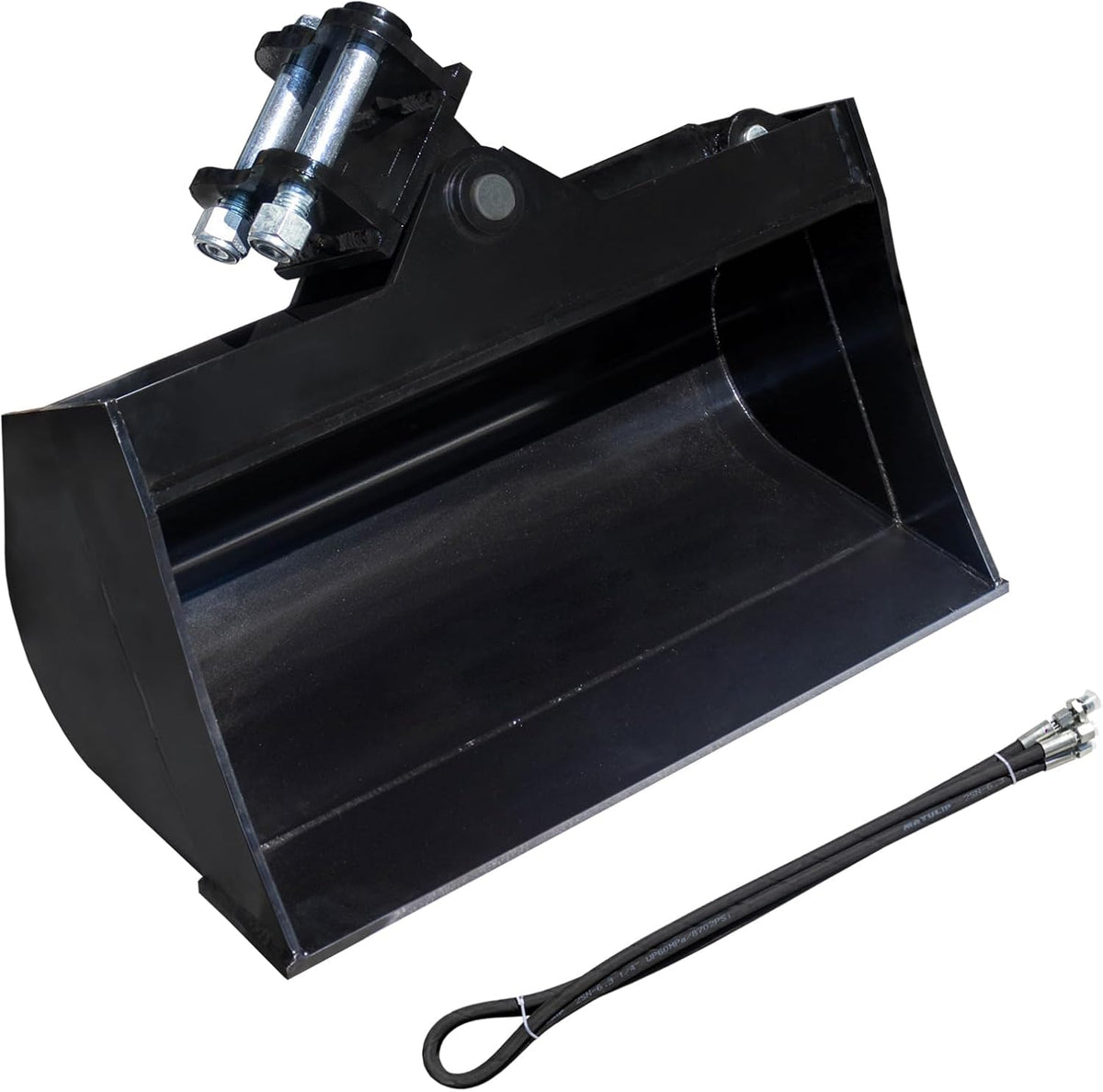
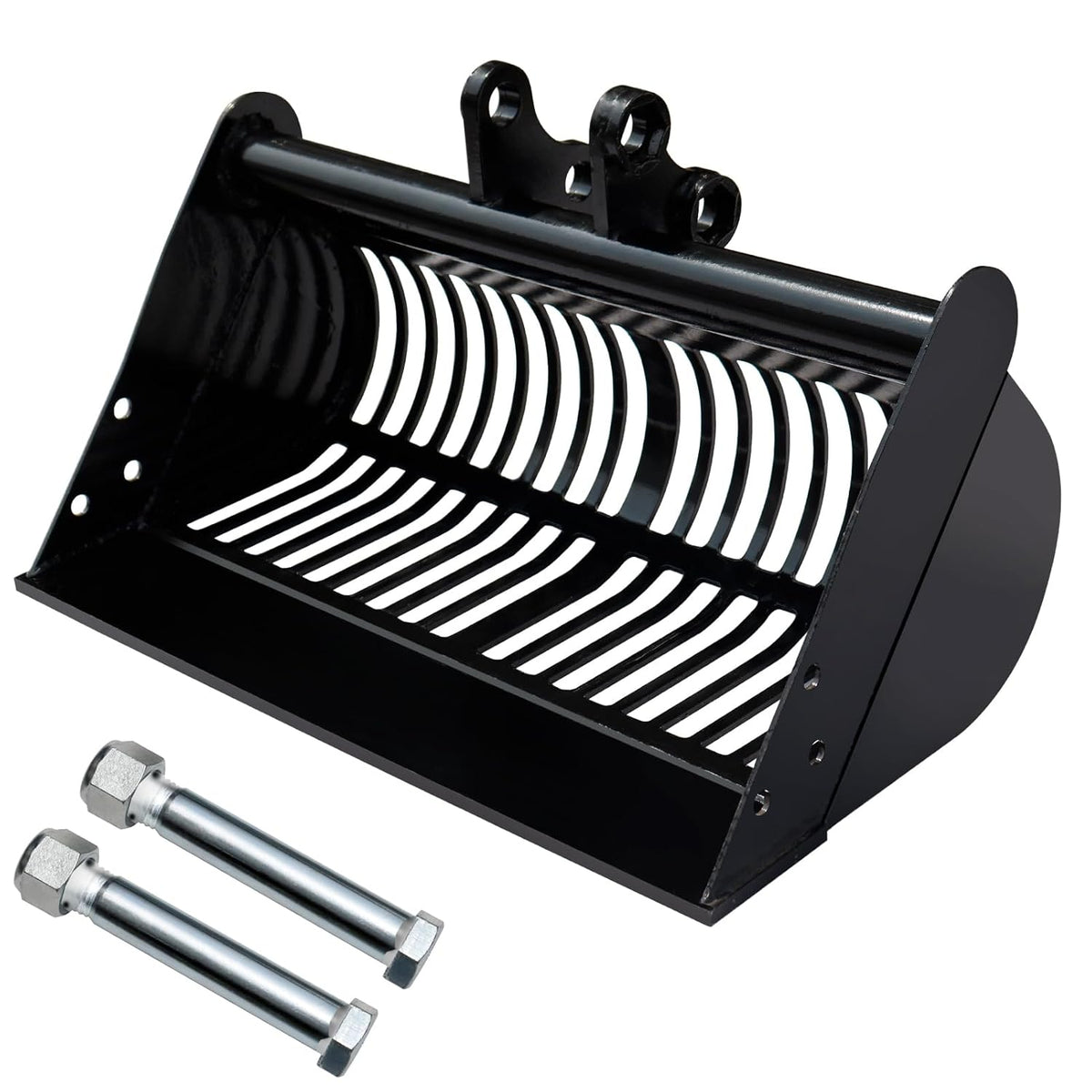
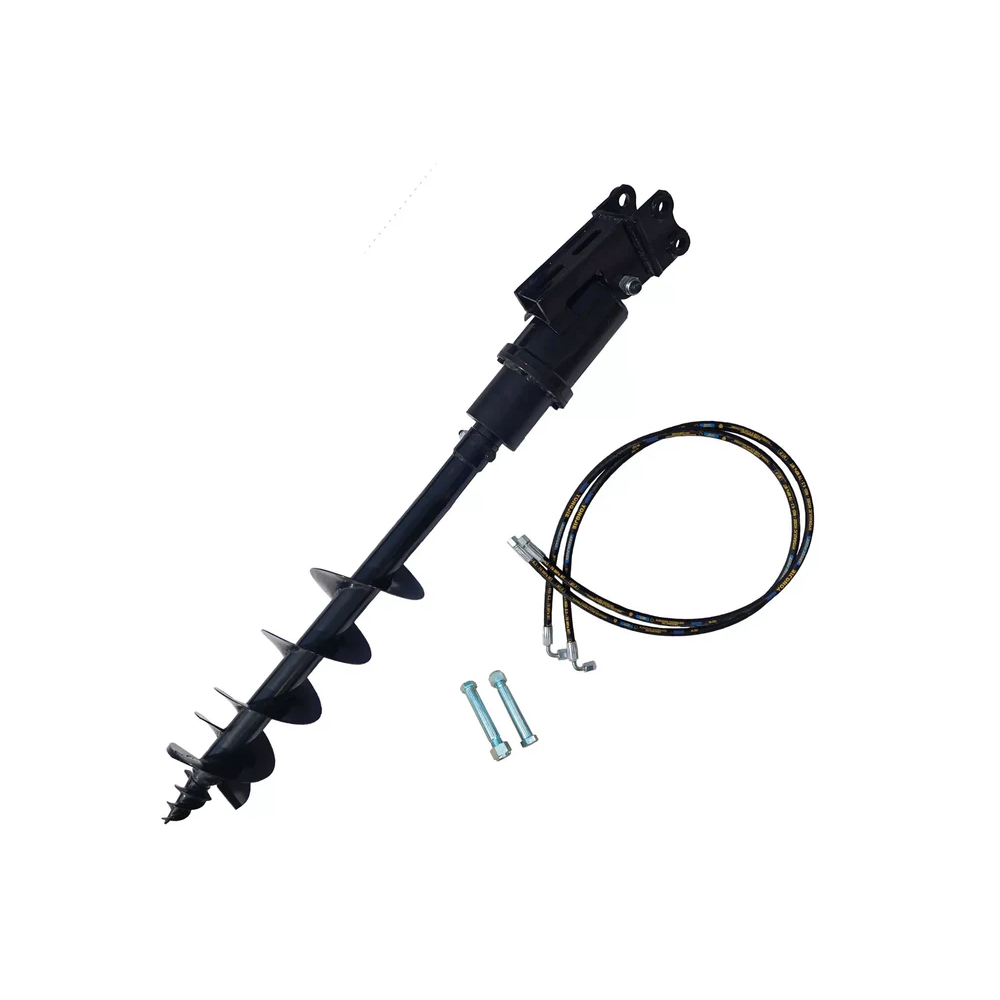
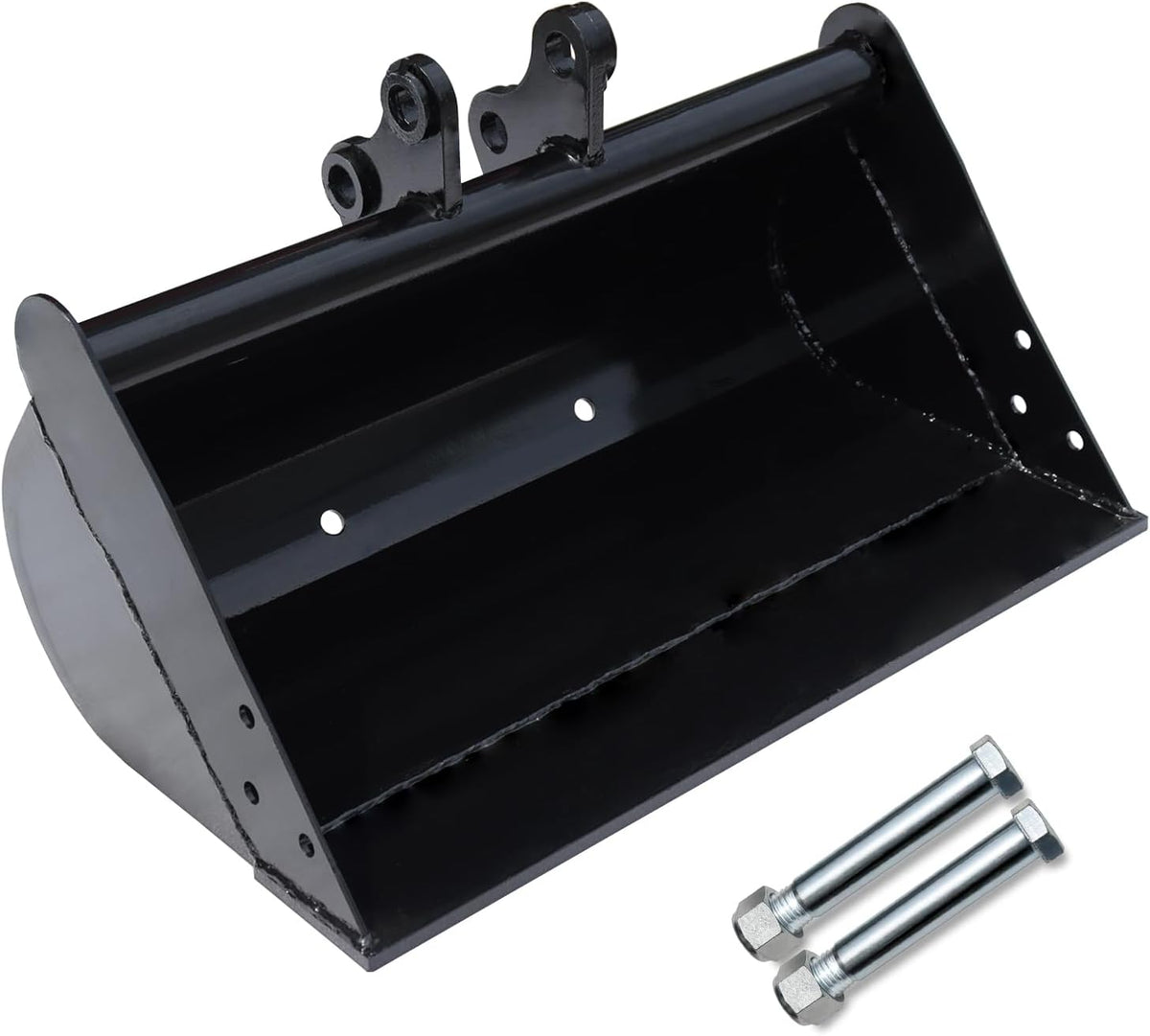
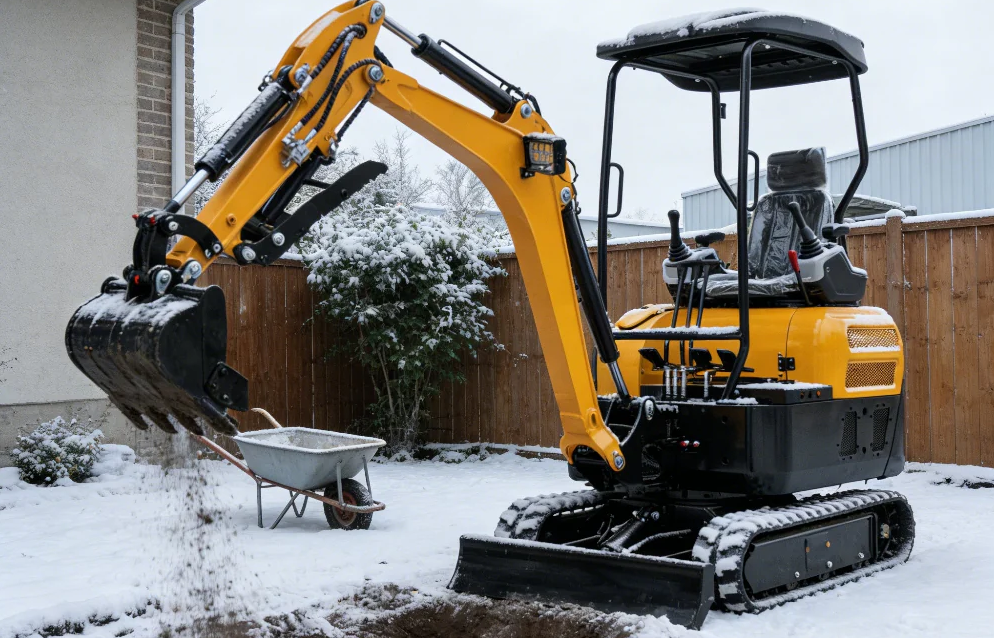
Mini excavators are indispensable mechanical equipment for construction and building work, but in winter, for excavator operators, compared with other seasons, it is more full of challenges, such as low temperatures, humidity, and harsh environments that can cause damage to these heavy machines and affect their performance and service life. In order to deal with these challenges, proper winter maintenance is crucial. In this guide, we will explore some practical tips to help you maintain excavators in winter, ensuring their optimal performance and longer service life.
Why Winter Hits Mini Excavators Hard
Cold temps do weird things to hydraulic fluid - makes it thick like syrup. Your battery loses like 30-40% of its capacity when temps drop below freezing (maybe more if it's really cold). Diesel fuel can gel up, seals get brittle... the list goes on. But here's the thing: most breakdowns in winter are totally preventable if you know what you're doing.
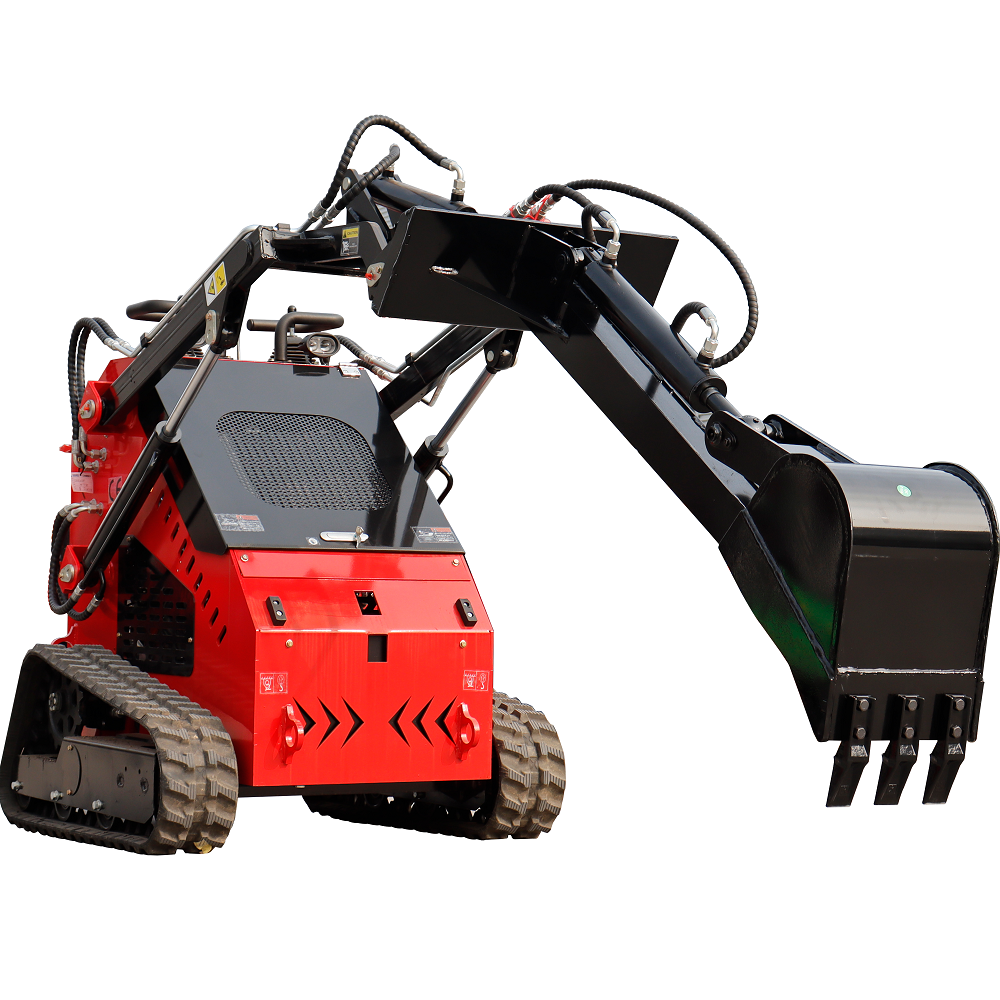
Mini excavators operate by driving hydraulic cylinders through a hydraulic system, using buckets or other attachments for earthmoving, excavation, material handling, and leveling work. When temperatures plummet, these systems face unprecedented stress that can lead to costly failures.
Pre-Winter Prep: Don't Skip This Part
Before the first freeze hits, walk around your machine - really look at it. Check for rust, especially around hydraulic cylinders. Any signs of wear? Deal with it now, not later when you're trying to start a frozen engine at 6 AM.
One of the fundamental maintenance tasks for every excavator operator is greasing. Lubricating grease plays a vital role in keeping the machine running smoothly. Its primary functions include lubrication, protection, and sealing. When applied to various components of the excavator - for example the swivel joint, boom, arm, bucket, and teeth - it reduces friction, minimizes wear and tear, and extends the machine's lifespan.
Fluids are critical. You gotta switch to winter-grade stuff:
- Hydraulic fluid needs to handle low temps without turning into molasses
- Engine oil viscosity matters - check your manual but usually you want something like 5W-30 or 0W-40 for cold weather
- Top everything off before winter starts
One thing people forget: rubber components. Hoses, belts - they get brittle when it's cold. If you see cracks or they feel stiff, replace them. Trust me on this one. For machines like the MMS 1-ton mini excavator with its compact design, checking these components is even more crucial since they're working in tighter tolerances.
The Diesel Situation
This is where a lot of operators mess up. Regular diesel will gel when it gets cold enough - I'm talking about wax crystals forming that clog your fuel filter. Not fun.
For winter excavator operation, a low freezing point and good ignition performance light diesel fuel should be selected. Typically, the freezing point of diesel fuel should be lower than the lowest local temperature by 7-10°C. Failure to replace the appropriate grade of diesel fuel promptly in cold winter environments can result in reduced flowability, increased viscosity, poor atomization, deteriorated combustion, and decreased engine performance and fuel efficiency.
Here's what you need:
- Winter-grade diesel (the freezing point should be 7-10°C lower than your coldest expected temp)
- Or add anti-gel additives to regular diesel
- Keep your fuel tank full - prevents condensation which leads to water contamination
In extremely cold regions, it is necessary to consider using higher-grade engine oil when entering winter. Engine oil with higher grades should be used when the ambient temperature ranges from minus 10 degrees to 30 degrees Celsius or higher, whereas for warmer regions, the decision to switch to different grades of engine oil can be based on local conditions.
Battery Care (This One's Big)
Batteries hate cold. Like, really hate it. Cold weather slows down the chemical reactions inside, reducing available power right when you need extra cranking amps to start a cold engine.
Lower temperatures can diminish the battery capacity of your excavator, making it more difficult to start. To address this, cover the battery with insulation material, such as a blanket or clothing, to keep it warm. Alternatively, remove the battery from the machine and store it indoors until the next operation day.
What works:
- Keep the battery charged - a weak battery will freeze, a charged one won't
- If you're storing the machine, remove the battery and keep it somewhere warm
- Check electrolyte levels (if it's not a sealed battery)
- Clean the terminals - corrosion gets worse in winter
If you notice low electrolyte levels in the battery, add distilled water or electrolyte before the next day's work. Remember to avoid additions immediately after completing a day's operation to prevent freezing.
Some guys use battery blankets or heaters. If you're in an extreme climate, it might be worth it.
Daily Startup Routine
Don't just turn the key and go. Seriously. During the preheating stage, it is essential to follow specific steps to prepare your mini excavator for operation in cold weather.
Here's how to do it properly:
1. Engine Warm-up - Run the engine at medium speed while operating the bucket to facilitate preheating. Start at medium speed, not full throttle. Let it idle for a few minutes.
2. Continuous Arm Movement - Gradually extend and retract each arm of the excavator after the engine has reached the desired temperature. This helps in warming up the hydraulic system and ensures smoother operation. Move the bucket and arms slowly, gets the fluid circulating.
3. Rotating Tracks - Lift the machine slightly and rotate the tracks to preheat the left and right travel motors separately.
This takes maybe 10 minutes total but saves you from hydraulic seal damage and other expensive problems. Whether you're running a compact 1.5-ton excavator or something larger, this warm-up ritual is non-negotiable.
Coolant & Antifreeze
Never, and I mean NEVER, add plain water to your radiator in winter. When operating the excavator in cold winter conditions, it's crucial to add antifreeze to the cooling system. The antifreeze should be mixed in the cooling system according to the recommended ratio for the lowest expected temperature.
Use proper antifreeze rated for your local temps. The mix ratio matters - usually 50/50 but check what temperature range you need.
When draining the water, allow the engine to idle until the coolant temperature drops below 60°C and is no longer hot to the touch. Prematurely draining the cooling water at higher temperatures can cause rapid contraction and potential cracking of the engine block. Thoroughly flush any remaining water in the system to prevent expansion and damage due to freezing.
Check your hoses too. Old hoses fail more in winter because the rubber contracts when cold. Look for:
- Cracks or splits
- Soft spots
- Bulges
- Anything that looks sketchy
Long-Term Storage Tips
As winter arrives, particularly in cold regions, construction activities often experience a slowdown. The occurrence of failed starts for mini excavators is relatively high during this period. This may require storing the excavator for an extended period until spring.
If you're parking the machine for weeks or months, follow these recommendations:
Set the fuel control lever to idle and place all control levers in neutral. Choose a storage location with a solid and level surface, avoiding damp, salty, or dusty environments. If a mini excavator cannot work for an extended period during winter, it should be parked in a shaded area with ample sunlight.
- Fill the fuel tank completely (prevents condensation)
- Retract exposed hydraulic cylinders, protecting them from external impacts and moisture, which can lead to damage or corrosion
- Cover the exhaust and air intake to keep moisture out
- If feasible, remove the battery and store it indoors, or ensure the battery switch is turned off
- Start the engine and operate the machine briefly every two weeks to maintain lubrication and prevent rust formation
Some people ask about DEF (diesel exhaust fluid) - if your machine has it, either drain the tank or make sure it won't freeze. DEF freezes around -11°C and expands when it does.
Common Winter Problems & Fixes
Hard starting: Usually battery or fuel issue. Check battery voltage first (should be 12.6V+ when fully charged). If that's good, it's probably fuel gelling.
Sluggish hydraulics: Fluid's too thick. Either you need winter-grade hydraulic fluid, or you're not warming up enough before operation. Hydraulic fluid is to an excavator what blood is to people. It not just enables various parts to move as they should; it guarantees their effectiveness therefore ensuring long service.
Tracks too tight or loose: Temperature changes affect track tension. Check it more frequently in winter - you want about 20-40mm of sag in the middle.
What About Greasing?
Oh man, greasing in winter is different. The grease you use in summer might not flow properly when it's cold. Look for grease rated for low temps - usually marked as NLGI Grade 0 or 1 for winter vs. Grade 2 for summer.
Hit all your grease points daily in winter:
- Boom pivot points
- Arm connections
- Bucket pins
- Swing bearing
Cold weather makes grease thicker, so it might take more pumps to get it where it needs to go. If you're operating MMS mini excavators with their Japanese-designed travel motors, proper greasing becomes even more critical to maintain that smooth 3.5km/h maximum travel speed.
Real-World Tips
- Keep a block heater if you're in really cold areas (below -20°C regularly)
- Idling at low RPM doesn't warm things up effectively - you need 1100-1200 RPM minimum
- If the machine sits overnight in freezing temps, expect longer warm-up time
- Have spare filters on hand - cold weather can reveal filter issues fast
For those running compact equipment in residential areas, like using a mini excavator for drainage ditches, winter conditions add an extra layer of complexity. Frozen ground changes dig patterns, and you'll need to adjust your technique accordingly.
Safety Stuff
- Winter operation means different risks:
- Frozen ground changes how the machine digs
- Visibility can be reduced (frost on windows, shorter days)
- Frozen hydraulic fluid can cause jerky movements
- Cold metal is slippery - watch your footing
When operating heavy power equipment like excavators, job site safety and responsibility should be top priorities. Don steel-toed boots, sturdy gloves, eye shields and ear protection at a minimum when running an excavator.
Maintenance Schedule Adjustments
You might need to adjust your normal maintenance intervals:
- Check fluids daily instead of weekly
- Air filters may need more frequent checks (cold air is often dryer but engines work harder)
- Inspect undercarriage more often (ice buildup can cause unusual wear)
Regular maintenance is key - conduct regular maintenance to keep the equipment in good condition, prolonging its lifespan. The service life of a mini excavator is usually more than 8000 to 10000 hours, but proper winter care can extend that significantly.
Conclusion
Bottom line: Winter maintenance for mini excavators isn't complicated, but it requires consistency. Miss one step and you might be calling for a tow truck. Do it right and your machine will run strong all winter long.
By following these winter maintenance tips, you can ensure that your mini excavator operates smoothly and efficiently even in cold weather conditions. Proper lubrication, using suitable fuels and oils, and taking necessary storage precautions will help extend the lifespan of your machine and minimize unexpected issues during the winter months.
The investment in proper winter prep - better fluids, new filters, battery care - pays for itself the first time you avoid a breakdown. Plus your equipment lasts longer when you treat it right in harsh conditions.
Whether you're operating a compact 1-ton excavator for residential projects or larger equipment, these principles apply universally. Understanding how to choose the right mini excavator for your winter conditions is just as important as maintaining it properly.





Leave a comment
This site is protected by hCaptcha and the hCaptcha Privacy Policy and Terms of Service apply.